Restablecimiento de la permeabilidad de las vías respiratorias

Estenosis benigna de las vías respiratorias centrales

  • El riesgo de perforación y de estenosis tardía es prácticamente inexistente con la criodesvitalización.

  • La criobiopsia endobronquial de la mucosa proporciona un mayor contenido de tejido submucoso, glándulas y músculo liso, así como una mejor conservación de la morfología epitelial en comparación con las biopsias con pinzas.

  • Los efectos de la crioterapia sobre la microcirculación incluyen vasoconstricción, lesión endotelial y agregación plaquetaria; estos factores conducen a la formación de microtrombos y a la necrosis subsiguiente.

  • Las criobiopsias de la mucosa endobronquial pueden realizarse de forma ambulatoria.

  • La APC ofrece una curva de aprendizaje más rápida y un perfil de seguridad más favorable que la ablación con láser.

Información científica

Summary of publication

Inaty, Hanine et al: Unimodality and Multimodality Cryodebridement for Airway Obstruction. A Single-Center Experience with Safety and Efficacy. Annals of the American Thoracic Society 13 (6), S. 856–861.


This retrospective study reports effective and safe use of flexible cryoprobe (reusable, 2.4mm) for airway recanalization in 156 patients with malignant (n=88) and benign (n=68) airway obstruction. Cases of benign airway obstruction included blood clots (n=11), mucus plugs (n=1), granulation tissue (n=40), and benign tumors (n=6). Cryorecanalization achieved bronchoscopic airway patency in 95% of patients. For those with benign airway obstruction, complete or partial airway patency was accomplished in 56 (82%) and 9 (13%) of 68 patients, respectively. Improvement in symptoms occurred in 118 (82%) of 144 symptomatic patients. Serious complications were reported in 17 patients (11%) and included respiratory distress, severe bleeding, airway injury, and hemodynamic instability. The authors concluded that “Cryodebridement, when used alone or in combination with other endoscopic treatment modalities, appears to be safe and effective in treating endoluminal airway obstruction.”


Consulta el estudio

Summary of publication

Jung, Ye-Ryung et al: Recurred Post-intubation Tracheal Stenosis Treated with Bronchoscopic Cryotherapy. In: Internal medicine (Tokyo, Japan) 55 (22), S. 3331–3335.
 

This case reports on a 42-year-old woman with recurring post-intubation tracheal stenosis that was successfully treated with bronchoscopic cryotherapy (reusable, 2.4mm). She had a history of endotracheal intubation for three weeks, after which she experienced postintubation tracheal stenosis so that tracheal resection with end-to-end anastomosis was performed. Three weeks after the operation, recurrent tracheal stenosis was recognized that had formed as web-like fibrosis above the previous anastomosis site in the upper trachea. As her general condition was unfavorable for repeat surgery, cryotherapy with flexible bronchoscopy was performed. The patient experienced no immediate complications and after one month, airway patency was consistently well maintained and the patient was stable without dyspnea, stridor, or wheezing. Tracheal CT taken two years after cryotherapy showed no further stenosis at the old lesion site. The authors concluded that “Cryotherapy can be considered as an alternative or primary treatment for post-intubation tracheal stenosis”.
 

Consulta el estudio

Productos para esta intervención

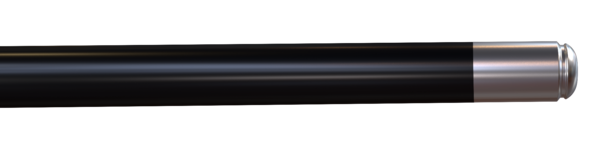
Close-up of the tip of a flexible cryoprobe with a diameter of 2.4 mm for pulmonary procedures / Nahaufnahme der Spitze einer flexiblen Kryosonde mit 2,4 mm Durchmesser für pulmonologische Eingriffe

N.º 20402-411

Criosonda flexible desechable, Ø 2,4 mm, longitud 1.150 mm

Close-up of the tip of a flexible cryoprobe with a diameter of 1.7 mm for pulmonary procedures / Nahaufnahme der Spitze einer flexiblen Kryosonde mit 1,7 mm Durchmesser für pulmonologische Eingriffe

N.º 20402-410

Criosonda flexible desechable, ø 1,7 mm, longitud 1150 mm

Close-up of the tip of a flexible cryoprobe with a diameter of 1.1 mm for pulmonary procedures / Nahaufnahme der Spitze einer flexiblen Kryosonde mit 1,1 mm Durchmesser für pulmonologische Eingriffe

N.º 20402-401

Criosonda flexible desechable, ø 1,1 mm, longitud 1150 mm, con tubo de extracción, longitud 817 mm, con tubo de extracción de ø 2,6 mm

Close-up of the tip of a flexible cryoprobe with a diameter of 1.1 mm for pulmonary procedures / Nahaufnahme der Spitze einer flexiblen Kryosonde mit 1,1 mm Durchmesser für pulmonologische Eingriffe

N.º 20402-402

Criosonda flexible desechable, ø 1,1 mm, longitud 1150 mm con tubo de extracción, longitud 757 mm, con tubo de extracción de ø 2,6 mm, n.º 20402-402

Más información sobre el PRODUCTO


  • La sonda de 2,4 mm te ofrece la mayor superficie de congelación de todas las criosondas desechables